Post-Storm Salt Removal for Heavy Equipment: Why It's Critical for Northeast Operations
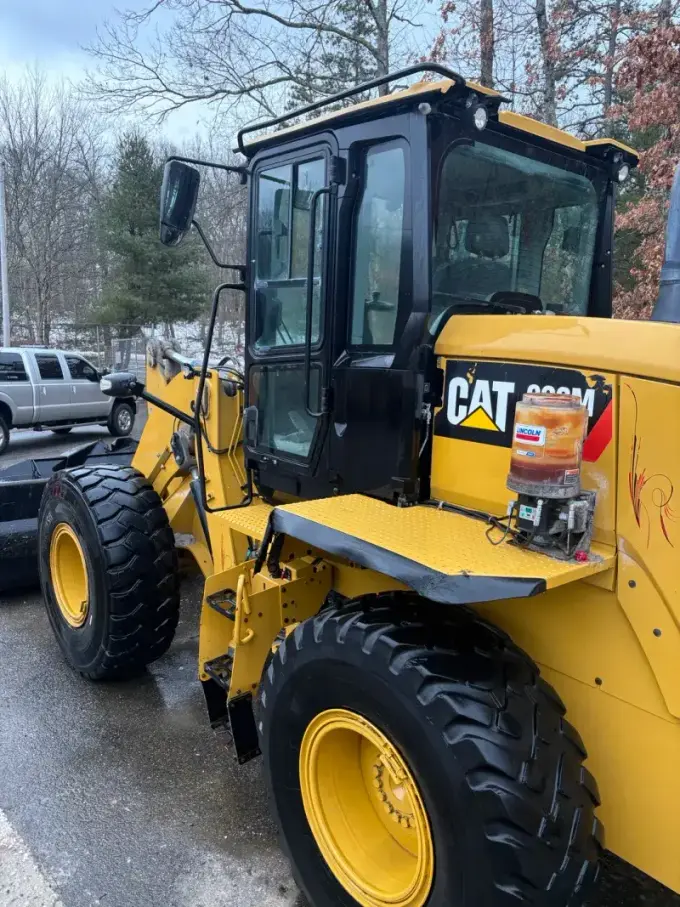
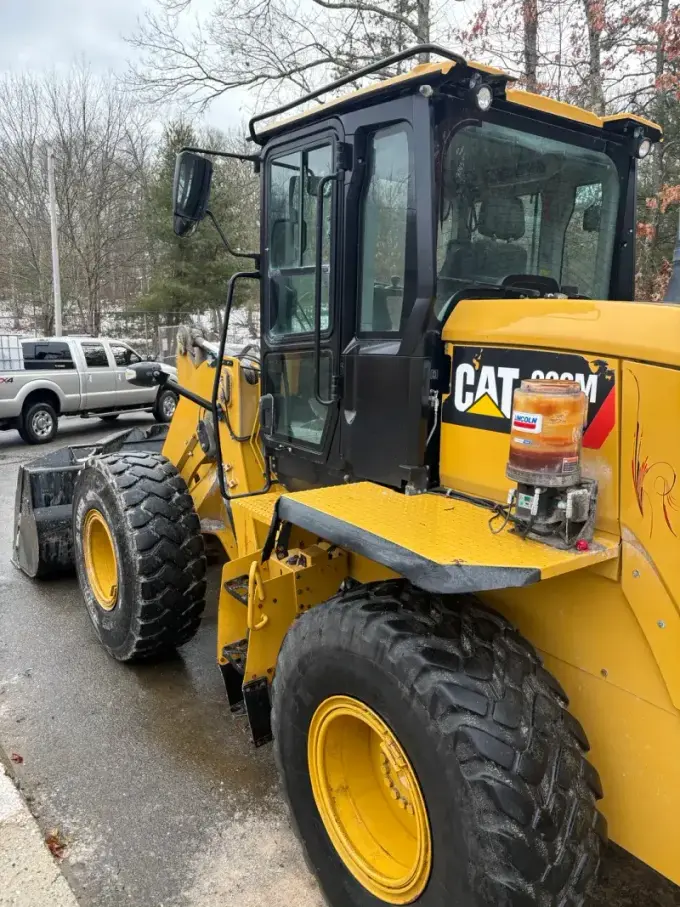
Winter storms and ice treatment across the Northeast leave more than just cleared roads. They leave behind corrosive salt deposits that stick to heavy equipment, construction machinery, and commercial vehicles. While these salts are great for melting ice, they're terrible for metal.
For equipment owners and contractors, post-storm salt removal isn't just maintenance. It's protection of major investments.
Here's what science tells us about why salt damages equipment, why the Northeast faces special risks, and how proper removal saves money in the long run.
The Science of Salt Corrosion
When sodium chloride, calcium chloride, or magnesium chloride (the main ingredients in road salt) mix with moisture, they create a perfect storm for metal corrosion. Research shows these salts cause damage in three main ways:
1. Extended Moisture Contact
Salt absorbs water from the air and keeps metal surfaces wet longer. This gives corrosion more time to work.
2. Accelerated Chemical Reactions
Salt increases water's ability to carry electrical current, which speeds up the chemical process that turns metal into rust.
3. Protective Layer Breakdown
Chloride ions in salt can break through protective oxide layers that normally form on metal surfaces, leaving the raw metal exposed to damage.
Research findings: Studies published by Canadian researchers found that steel exposed to road salt corrodes significantly faster than steel in normal outdoor conditions. Laboratory tests showed clear weight loss and color changes in metal samples after just weeks of salt exposure.
Why the Northeast Is High-Risk
The Northeast faces a unique combination of factors that make salt corrosion worse:
Heavy Salt Usage
States like Massachusetts, New York, and Connecticut use millions of tons of road salt each winter. Modern liquid brine treatments, while effective for ice control, stick to equipment surfaces longer than dry salt.
Frequent Temperature Swings
The Northeast's freeze-thaw cycles mean equipment gets wet, then cold, then wet again, over and over. Each cycle drives salt deeper into cracks and hidden areas where regular washing can't reach.
Longer Winter Seasons
Equipment in the Northeast stays exposed to salt from November through April, sometimes longer. That's months of constant exposure compared to regions with shorter winters.
High Humidity
Coastal areas and humid conditions help salt absorb moisture from the air, keeping corrosive reactions active even when surfaces look dry.
The Real Cost of Salt Damage
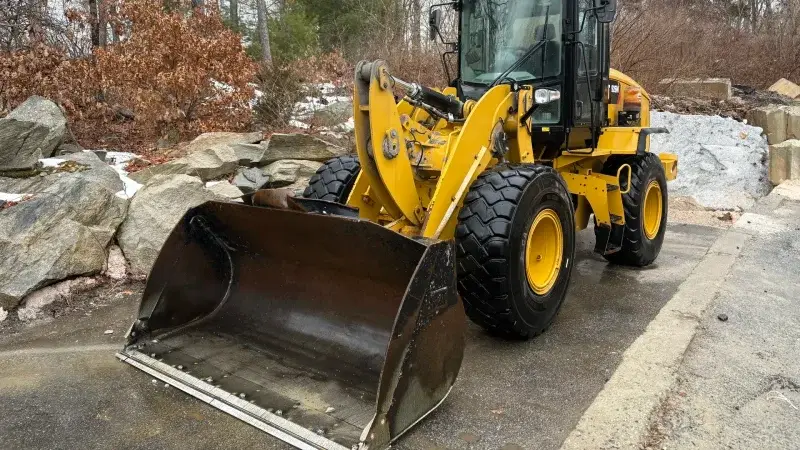
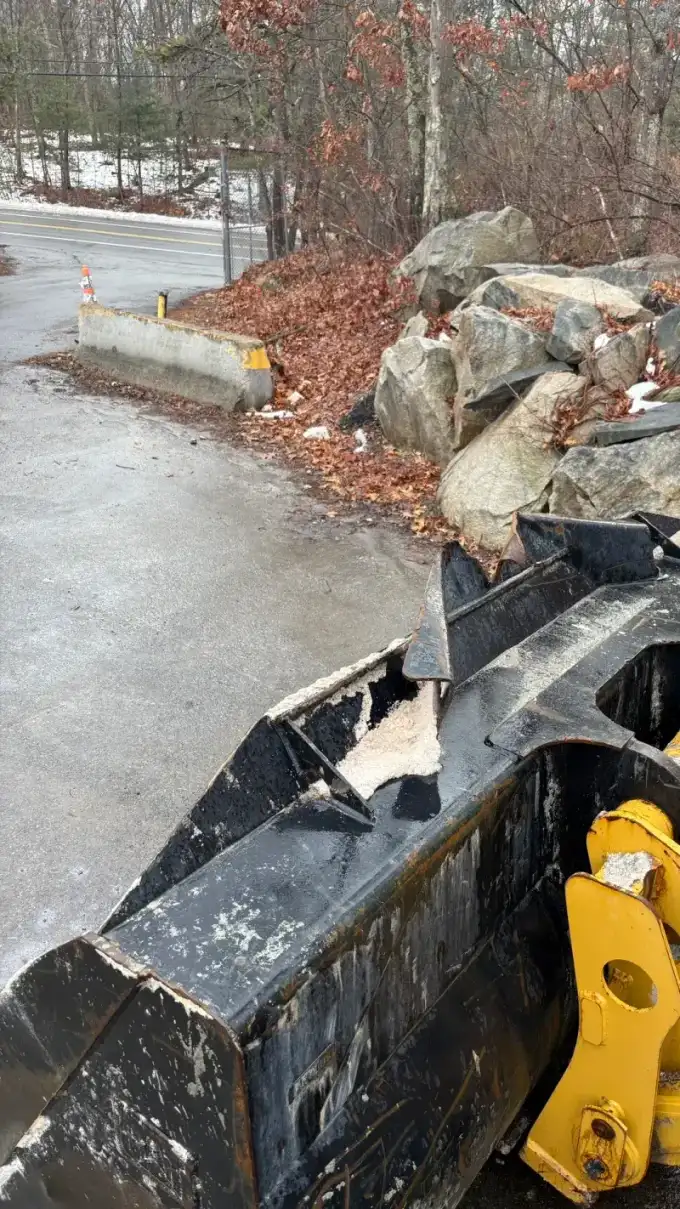
The financial impact of salt corrosion on heavy equipment is huge. National studies show that:
- Corrosion costs the U.S. economy about $279 billion per year across all industries.
- Heavy equipment operators lose approximately $7 billion annually due to corrosion and wear-related failures.
- For a single piece of heavy machinery, deterioration can cost up to 20% of its value each year if left unprotected.
Case study: A 2019 excavator failure in Dallas caused a three-month project delay and over $2 million in losses, all because salt corrosion had weakened critical components that went unnoticed.
Research also shows that infrastructure corrosion costs at least $615 per ton of road salt used, not including the damage to private equipment.
Why Post-Storm Removal Works
Stops Damage Before It Starts
Regular salt washing after storms prevents buildup in hard-to-reach places like joints, hydraulics, and undercarriages. Studies show that removing salt residue immediately after exposure dramatically reduces corrosion rates.
Protects Hidden Areas
Unlike basic washing, specialized salt removal products are designed to dissolve and remove salt crystals from cracks and crevices where they typically hide and cause the most damage.
Prevents Summer Corrosion
Salt doesn't just disappear when winter ends. Without proper removal, it continues eating away at equipment all year long. Post-storm cleaning breaks this cycle.
How to Do It Right
Based on research and real-world testing, effective salt removal involves:
Specialized Products
Regular soap and water don't fully remove magnetized salt residue. Dedicated salt neutralizers like those tested by equipment manufacturers dissolve salt crystals completely.
Proper Application
The most effective approach uses a two-step process: wash equipment normally, then apply diluted salt neutralizer, let it sit for 2-3 minutes, and rinse with cold water.
Focus on Key Areas
Pay special attention to undercarriages, hydraulic systems, joints, and any area where salt and moisture can collect.
Regular Schedule
Clean equipment after each storm and, most importantly, do a thorough cleaning in spring to remove salt that's been hiding all winter.
A Smart Investment
For contractors and equipment owners in the Northeast, post-storm salt removal is proven preventive maintenance. The cost of cleaning products and labor is minimal compared to the thousands of dollars needed to repair or replace corroded equipment.
Companies that have implemented comprehensive salt removal programs report significantly reduced maintenance costs, longer equipment life, and less downtime due to corrosion-related failures.
In New England's cold, wet climate with heavy salt usage, frequent temperature swings, and long winter seasons, salt corrosion happens faster and causes more damage than in other parts of the country. Regular cleaning, specialized salt removal products, and protective measures aren't just good maintenance. They're essential protection for expensive equipment investments.
Taking care of your equipment after every storm means it takes care of your business for years to come.
Need Professional Salt Removal Services?
We offer post-storm heavy equipment and fleet washing across Massachusetts, Rhode Island, and the Northeast. Our team uses commercial-grade salt neutralizers, soft wash techniques, and precision equipment to protect your investment all season long.
Frequently Asked Questions
Why is salt removal important for heavy equipment?
Road salt contains compounds like sodium chloride and calcium chloride that accelerate corrosion on metal surfaces. Salt draws moisture from the air, keeping metal wet longer and speeding up rust formation. Without regular post-storm cleaning, heavy equipment can corrode up to 5x faster, leading to equipment failure, shortened lifespan, and expensive repairs.
What is the best way to remove road salt from machinery?
The most effective method is a two-step wash process: First, rinse with cold water to remove loose dirt and debris. Second, apply a commercial-grade salt neutralizer solution (like Salt-Away or Neutro-Wash), let it sit for 2-3 minutes, then rinse thoroughly. Focus on high-risk areas like undercarriages, hydraulic joints, electrical connectors, and brake lines.
How often should I clean my equipment in winter?
Clean heavy equipment after every winter storm to prevent salt buildup. Additionally, schedule a deep seasonal wash in early spring to remove any accumulated salt residue that was missed during routine cleaning. In high-salt areas like coastal Massachusetts or Connecticut, consider weekly cleaning during peak winter months.
Do salt neutralizers really work?
Yes, salt neutralizers are highly effective when used correctly. These commercial-grade products break down crystallized salt and stop the corrosion process. Unlike plain soap and water, neutralizers chemically bond with salt molecules to dissolve them completely, even in tight spaces like joints and undercarriages. This prevents long-term oxidation and protects metal surfaces, seals, and wiring.