Efflorescence Removal for Brick Buildings in New England
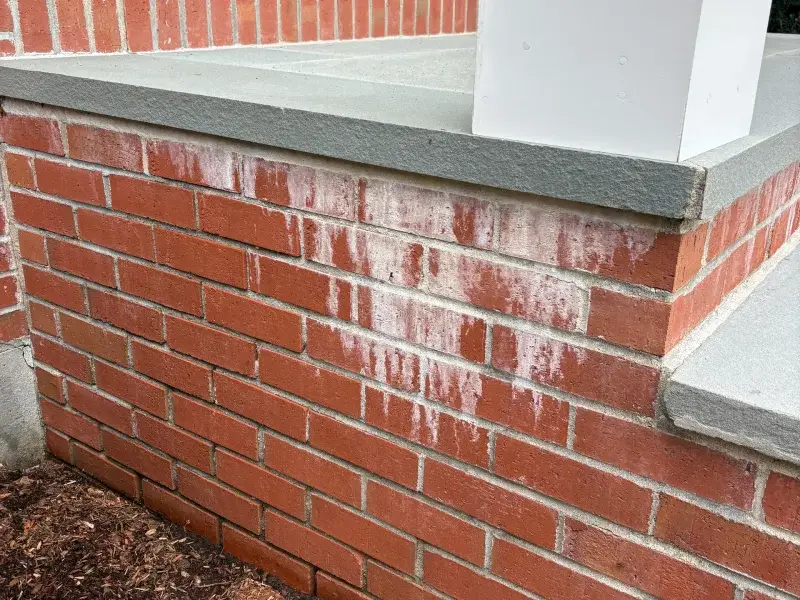
White, chalky stains on your brick building's walls, sidewalks, or entryways? That's efflorescence, a common issue for commercial properties in New England's cold, wet climate. While it may look like a cosmetic stain, efflorescence is actually a warning sign of moisture inside your masonry. If left untreated, it can lead to structural damage like spalling and surface deterioration.
In this guide, we explain:
- What efflorescence is
- Why it's so common in New England
- How to safely remove it
- How to prevent it from returning
Whether you manage a school, a brick storefront, or a commercial complex, addressing efflorescence protects your property's appearance and long-term durability.
What Is Efflorescence?
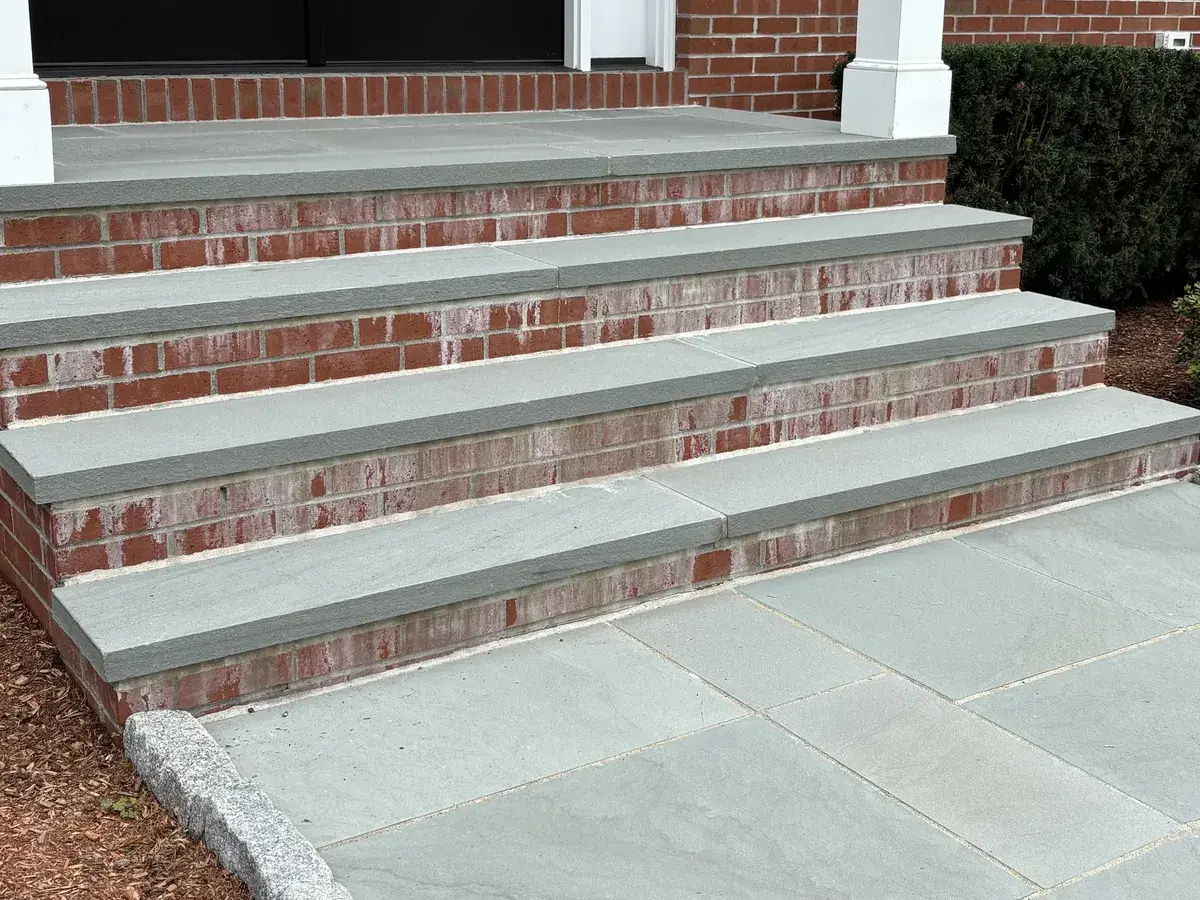
Efflorescence is the white, powdery residue you often see on brick, concrete, or masonry surfaces. It forms when water penetrates the surface, dissolves salts within the material, and carries them to the exterior. Once the water evaporates, it leaves the salts behind.
Most often, these salts are calcium carbonate, a result of chemical reactions between cement, moisture, and carbon dioxide.
Key takeaway: Efflorescence is not just a stain. It's a sign of trapped moisture moving through your building materials.
Why Efflorescence Is Common in New England
1. Wet and Humid Weather
Frequent rain, snow, and humidity saturate brick surfaces, allowing water to move deep into porous materials. As the moisture escapes, it brings salts to the surface.
2. Cold Temperatures & Freeze-Thaw Cycles
New England winters trap water inside brick walls. When the water freezes and expands, it worsens cracks. As it thaws, salts are carried outward, leaving visible white streaks behind.
3. Older Masonry Buildings
Many commercial buildings in New England were constructed decades ago, long before modern waterproofing practices. These older, more porous bricks are more vulnerable to efflorescence.
4. Hard Water and Salt Exposure
Coastal states like Massachusetts and Rhode Island have high mineral content in both groundwater and the air. This increases salt buildup in brick and concrete, especially in buildings near busy roads or the ocean.
Why Cleaning and Sealing Matters
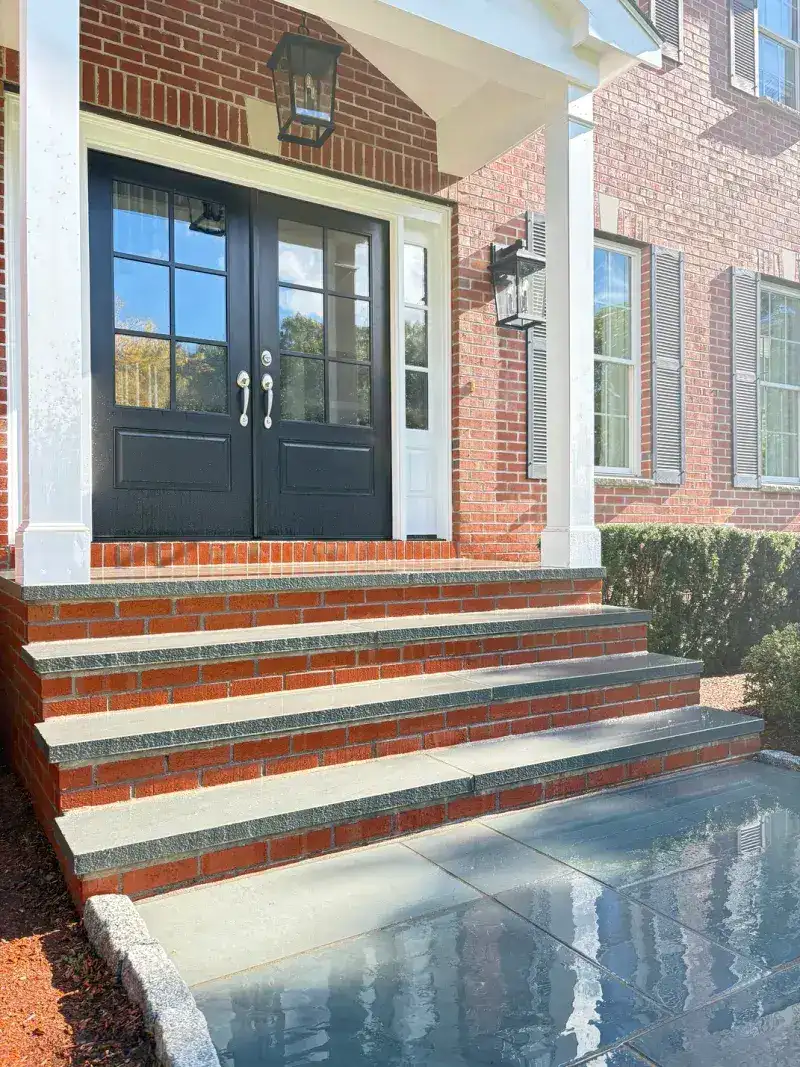
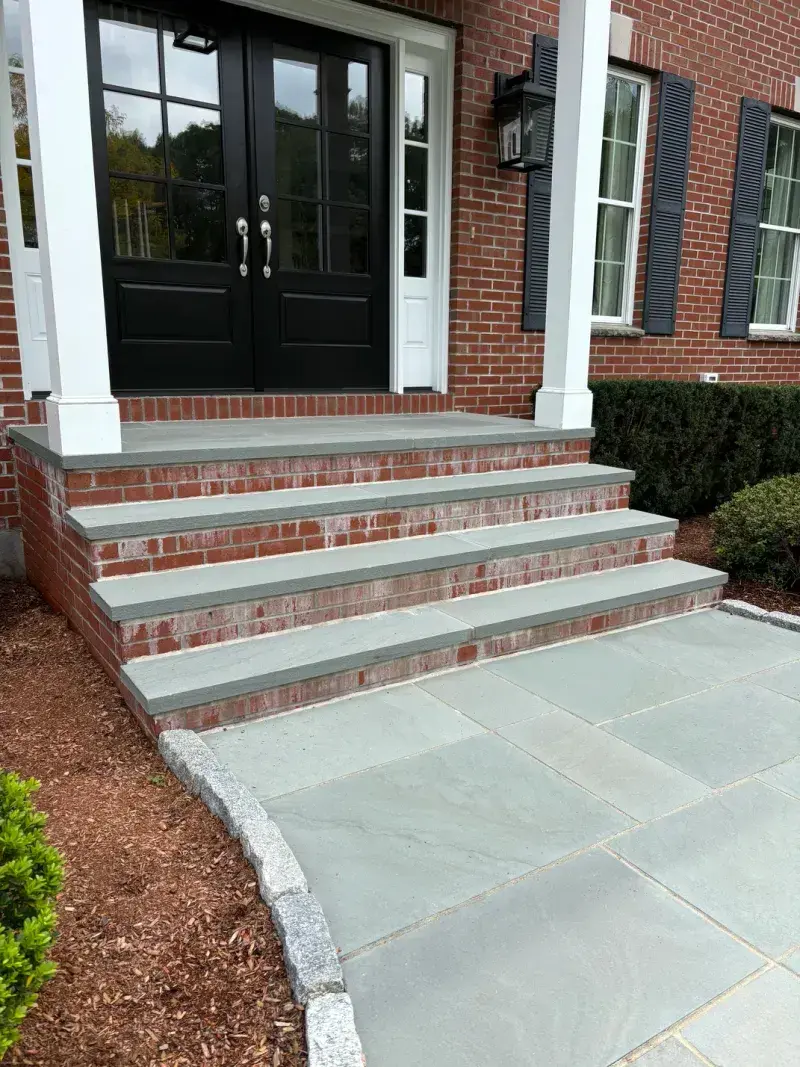
Efflorescence affects more than just curb appeal. Here's why proactive cleaning is essential:
First Impressions
Schools and stores with visible white staining on entrances or sidewalks may appear neglected or poorly maintained, not a great look for customers or visitors.
Long-Term Damage
Moisture that causes efflorescence also contributes to spalling, when the outer layer of brick flakes or crumbles. This damage weakens the surface and can become costly to fix.
Moisture Intrusion Warning
Efflorescence is a symptom of deeper water problems. Sealing and redirecting moisture is more important than just wiping away stains.
Best Ways to Remove and Prevent Efflorescence
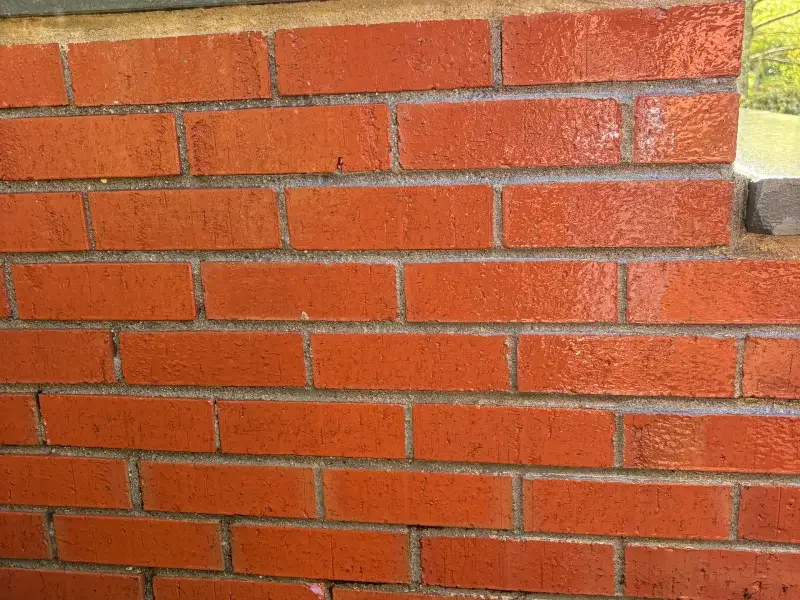
Efflorescence removal should be handled carefully to avoid damaging the brick surface. Here's what masonry professionals recommend:
Removal Methods
- Dry brushing for light deposits
- Warm water rinsing (low pressure)
- Diluted acid solutions (only with professional guidance)
- Soft washing techniques using appropriate masonry-safe detergents
Never use high-pressure washing on old brick; it can strip protective layers and accelerate damage.
Prevention Strategies
- Apply breathable masonry sealers that block external moisture but allow internal vapor to escape
- Improve grading and drainage around the building's foundation
- Seal mortar joints and wall cracks
- Maintain rooflines and gutters to prevent water overflow
- Use drip edges to redirect water away from walls
For commercial buildings in New England, these practices are especially important due to persistent freeze-thaw cycles, humidity, and salt exposure.
The Bottom Line
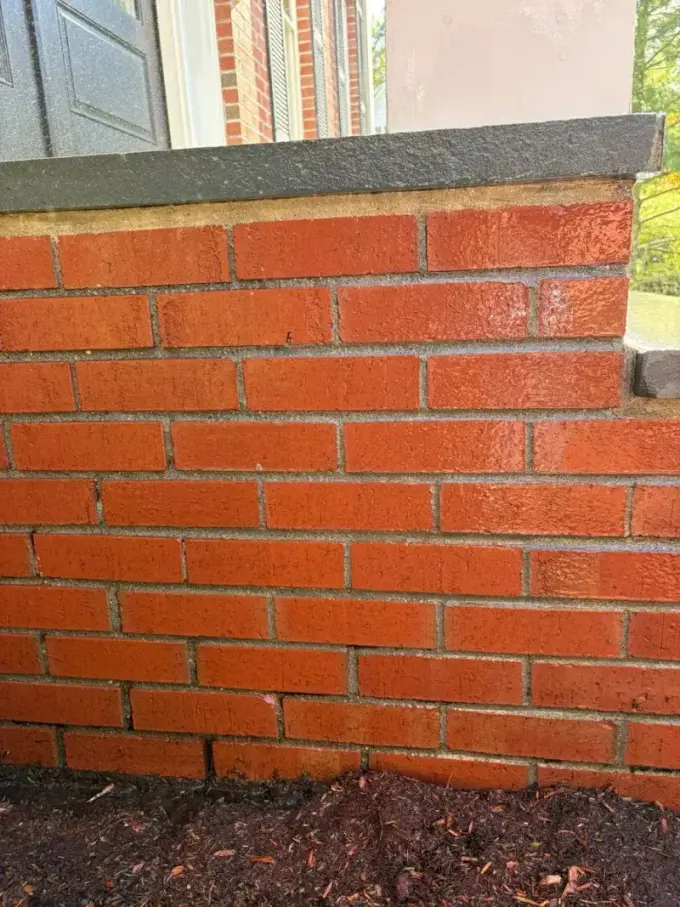
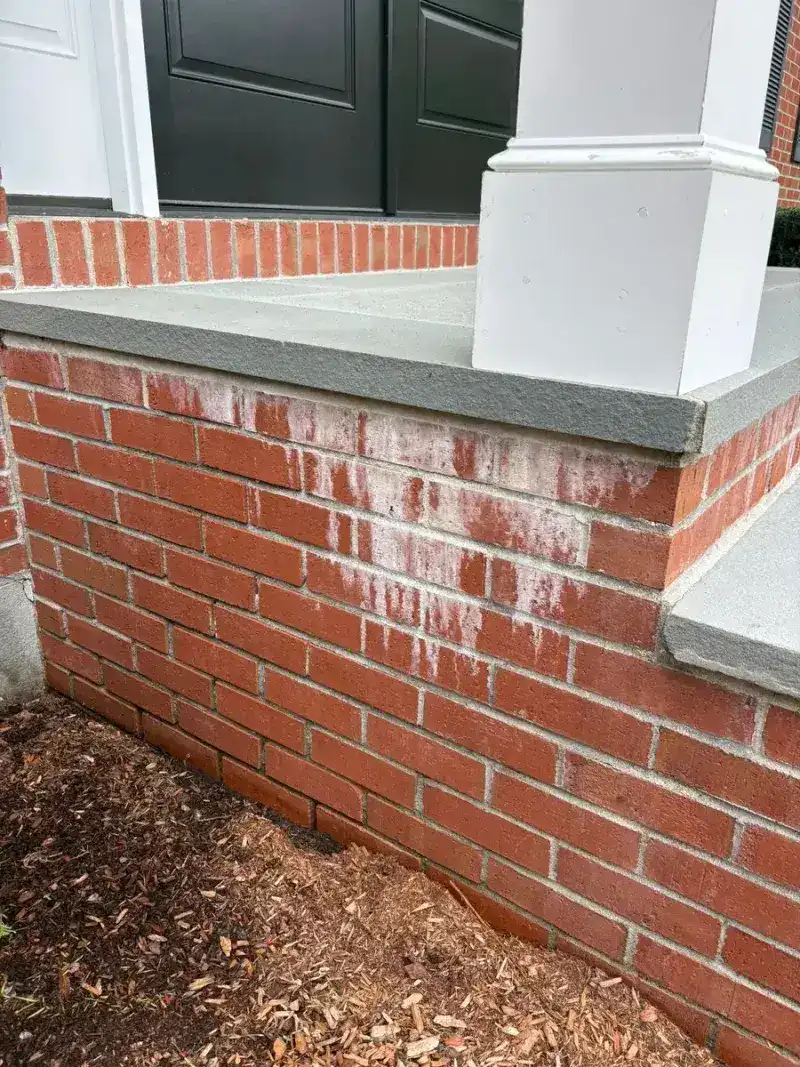
If you're seeing white stains on brick walls, sidewalks, or entryways in Massachusetts or Rhode Island, it's likely efflorescence, a telltale sign that moisture is moving through your masonry. This isn't just cosmetic: it's an early warning for potential structural problems.
Regular cleaning, moisture control, and sealing are key to:
- Preserving structural integrity
- Maintaining professional appearance
- Avoiding costly repairs later
Whether you manage a school, commercial plaza, or retail storefront, keeping efflorescence under control is a smart investment in your property's health and appearance.
Need Help Removing Efflorescence?
We offer professional efflorescence removal and brick cleaning services across Blackstone Valley and MetroWest Boston. Our team uses safe, effective techniques to clean and seal commercial masonry, keeping your property clean, dry, and protected.
Learn About Our Efflorescence Removal ServicesFrequently Asked Questions
What causes efflorescence on brick walls?
Efflorescence occurs when water penetrates brick or masonry, dissolves salts within the material, and carries them to the surface. When the water evaporates, it leaves behind white, chalky deposits. In New England, this is often caused by frequent rain, snow, humidity, freeze-thaw cycles, and exposure to salt from roads or coastal air.
Is efflorescence harmful to buildings?
Yes, efflorescence is more than cosmetic. It's a warning sign of moisture intrusion that can lead to structural damage like spalling (when the outer layer of brick flakes or crumbles). The moisture that causes efflorescence can weaken masonry over time and lead to costly repairs if left untreated.
Can pressure washing remove efflorescence?
High-pressure washing should never be used on old brick as it can strip protective layers and accelerate damage. Professional efflorescence removal uses low-pressure soft washing, dry brushing for light deposits, warm water rinsing, or masonry-safe detergents. In some cases, diluted acid solutions may be used with professional guidance.
How can I prevent efflorescence from coming back?
Prevention requires moisture control: apply breathable masonry sealers, improve grading and drainage around the foundation, seal mortar joints and wall cracks, maintain rooflines and gutters, and use drip edges to redirect water away from walls. For commercial buildings in New England, these practices are essential due to freeze-thaw cycles and high humidity.